Mar 06, 2025
SEO vs PPC: Which One Drives Better Results?
23 June, 2025
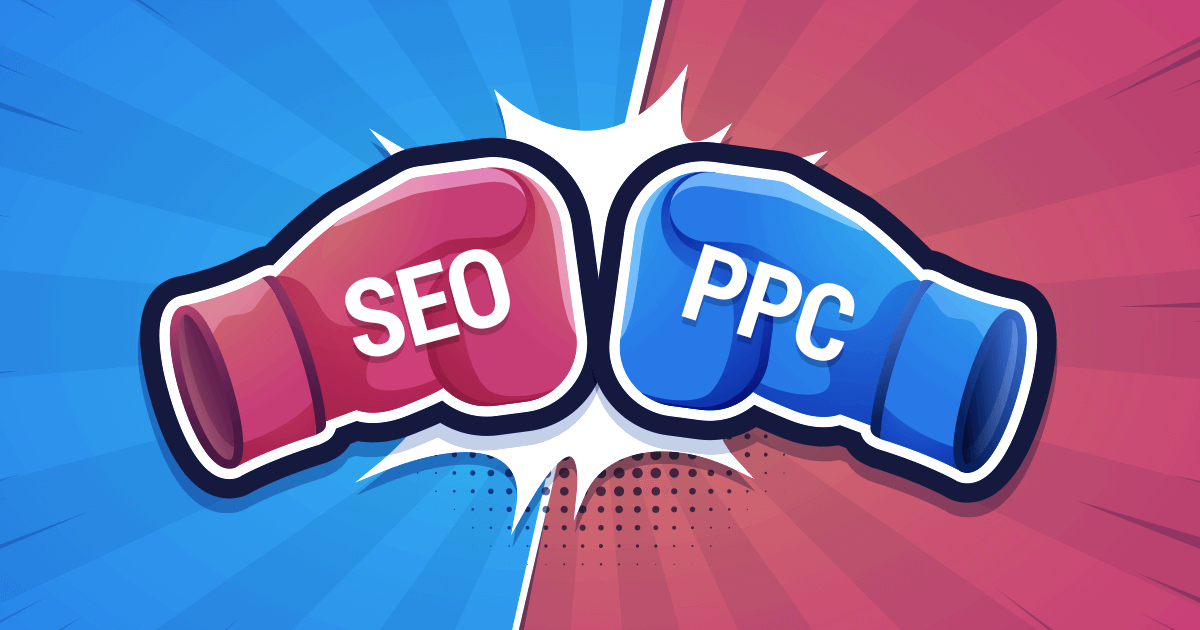
Choosing between SEO and PPC is one of the most common decisions in digital marketing. Whether you're launching a new brand, scaling an eCommerce store, or building long-term authority, both strategies offer powerful but distinct paths to visibility and growth.
Let’s break down what SEO and PPC really mean, their pros and cons, when to use them, and why combining both can be a winning approach.
What Is SEO?
Search Engine Optimization (SEO) is the process of improving your website’s visibility in unpaid (organic) search results. It includes content writing, technical enhancements, keyword optimization, and backlink building—all aimed at ranking higher on search engines.
Pros of SEO:
- Sustainable Traffic: Once your pages rank, they can generate consistent traffic over time without paying per click.
- Increased Trust: Users tend to trust organic results more than ads, especially in informational or research-based searches.
- Cost Efficiency Long-Term: Although it takes time to build, the return on investment often increases the longer your content performs.
- Brand Authority: SEO builds a long-lasting online presence, positioning your brand as an expert in its field.
Cons of SEO:
- Slow Results: SEO is not immediate. It may take several months before you see significant movement in rankings and traffic.
- Constant Updates: Search engine algorithms change frequently. Ongoing optimization is required to stay competitive.
- High Competition: For competitive industries or keywords, ranking organically can take significant time and effort.
- Resource-Heavy: Content creation, technical improvements, and link building require consistent resources or expertise.
What Is PPC?
Pay-Per-Click (PPC) advertising involves paying to appear in sponsored results or digital ad placements. You pay each time someone clicks on your ad. PPC platforms, like search ads or social ads, allow you to appear instantly for specific keywords or target audiences.
Pros of PPC:
- Immediate Results: Unlike SEO, PPC can generate traffic and leads within hours of launching a campaign.
- Highly Targeted: You can reach specific audiences based on search intent, location, device, time of day, and more.
- Clear Metrics: PPC provides detailed data on performance, helping you track every click, conversion, and cost.
- Budget Control: You can set daily limits, pause campaigns anytime, and scale up or down based on performance.
Cons of PPC:
- Costs Add Up: Especially in competitive industries, high click costs can burn through your budget quickly.
- Temporary Traffic: Once you stop spending, your ads disappear—and so does the traffic.
- Click Fraud and Ad Fatigue: Some industries are vulnerable to low-quality or fraudulent clicks. Repetitive ads can also be ignored over time.
- Constant Optimization Needed: A successful PPC campaign requires ongoing adjustments, testing, and management.
SEO vs PPC: When to Use Each Strategy
Choose SEO if:
- You aim for long-term growth and want to establish a lasting presence in search engines.
- Your business has a content-driven approach or needs to build authority.
- You want to attract traffic at lower cost over time, even if results are delayed.
- You value credibility and trust through organic positioning.
Choose PPC if:
- You need instant visibility, especially for product launches, limited-time offers, or urgent campaigns.
- You want to test messages, keywords, or audiences quickly before committing to content.
- You operate in a competitive niche where ranking organically would take too long.
- You require precise targeting based on demographics or behavior.
The Best Strategy: Combine SEO and PPC
While SEO and PPC work independently, they’re more powerful together. Combining both allows you to maximize reach, improve ROI, and gather richer insights.
Here’s why a combined strategy works:
- PPC supports SEO testing: You can test ad copy and keywords in PPC to see what converts best—then use those findings to shape your SEO content.
- SEO drives brand credibility: While PPC brings people in fast, SEO builds the trust needed to convert over time.
- Double the exposure: Showing up in both organic and paid results increases your visibility and click-through rates.
- Retargeting opportunities: You can use PPC to re-engage people who found your site via SEO but didn’t convert the first time.
When used together, SEO and PPC cover both short-term results and long-term growth, balancing cost, speed, and sustainability.
Adapting to the Evolving Search Landscape
The search world is constantly evolving, and future strategies need to account for:
- Voice Search: Content should be conversational and answer-focused to align with how users speak their queries.
- AI-Driven Search: Engines now favor clear, authoritative, and trustworthy content backed by experience and expertise. To stay ahead, brands are increasingly turning to AI SEO services that align content with smarter search algorithms.
- Answer-Led Results: Structured, helpful content is more likely to be featured in snippets or cited by search AI.
- Mobile and Speed Optimization: A fast, mobile-friendly site is no longer optional—it’s expected by both users and search engines.
Whether using SEO, PPC, or both, the goal is the same: create meaningful user experiences that search engines want to recommend.
Final Verdict: SEO, PPC, or Both?
There is no single winner in the SEO vs PPC debate. The right approach depends on your goals, timeline, competition, and resources.
- If you're building a brand for the long haul, start investing in SEO now.
- If you need traffic or leads quickly, PPC is the faster path.
- If you want to grow smartly, sustainably, and competitively, combine both.
Understanding the unique strengths of each channel empowers you to make data-driven decisions and build a strategy that scales with your business.